
Exploring cultural perspectives on gambling How traditions shape our views
Exploring cultural perspectives on gambling How traditions shape our views
Cultural Significance of Gambling
Gambling has long been a part of human history, serving various roles across different cultures. In some societies, it is seen as a rite of passage or a way to bond with family and friends. For example, in many Indigenous cultures, games of chance were historically used in ceremonial contexts, not just for entertainment but to invoke spiritual guidance or community bonding. This highlights how gambling transcends mere monetary exchange, embedding itself in the cultural fabric. If you’re interested in starting your own gambling adventure, consider checking out https://golisimoo.nz/ for a wide array of options.
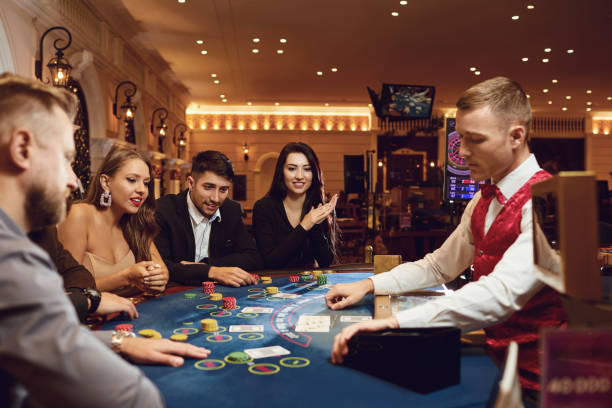
Different cultures also assign varying levels of importance to gambling. In some Asian cultures, the practice is steeped in tradition and is often accompanied by elaborate rituals. For instance, the Chinese celebrate the Lunar New Year with specific gambling games that are believed to bring good fortune for the year ahead. This connection to luck and prosperity illustrates how deeply intertwined gambling is with cultural beliefs and practices.
In contrast, Western societies often view gambling through a lens of leisure and entertainment. While it’s also tied to tradition—such as horse racing and poker games—many Western nations have developed strict regulations surrounding gambling. The cultural perception shifts from being a communal experience to one that is often solitary, highlighting the diversity in cultural attitudes towards gambling practices.
The Role of Tradition in Shaping Attitudes
Traditions play a crucial role in shaping how gambling is perceived within different cultures. In societies where gambling is integrated into festivals and community gatherings, there is often a sense of camaraderie and shared experience. These traditions foster an environment where gambling is normalized, and participation is seen as a social obligation rather than a vice. For instance, the annual Carnival in Brazil includes numerous gambling elements, showcasing how traditions can make gambling a focal point of celebration.
Conversely, in cultures where gambling is stigmatized, the perception is often associated with moral decline or addiction. Countries that have historically faced challenges with gambling-related issues may develop stricter norms against the practice. Such attitudes can manifest in severe regulations or outright bans on gambling activities, reflecting societal attempts to curb potential negative consequences. This division underscores how tradition can either promote or diminish the acceptance of gambling.
Additionally, the younger generations are often influenced by both traditional views and modern societal changes. As globalization fosters interconnectedness, young people might adopt gambling practices from other cultures, leading to a blend of traditional and contemporary perspectives. This evolution illustrates how cultural views on gambling are not static but rather adapt and change over time, influenced by the ebb and flow of tradition.
Gambling and Social Identity
Social identity plays a significant role in how individuals approach gambling. In many cultures, participating in gambling can enhance one’s status within social circles. Whether it’s through winning a high-stakes poker game or participating in a community lottery, these actions can serve as markers of success and social standing. This phenomenon is particularly evident in places where gambling events are social gatherings, reinforcing the idea that one’s gambling prowess can contribute to their identity.
Moreover, certain cultural groups often have their own unique games and styles of gambling that distinguish them from others. For instance, the Inuit people have traditional games that involve luck and chance, emphasizing skill over chance. This not only serves as a source of entertainment but also reinforces cultural identity, as these games are often passed down through generations, preserving heritage while fostering community spirit.
However, the rise of online gambling platforms has transformed the landscape of social identity in gaming. People can engage in gambling from the comfort of their homes, leading to a more individualized experience. This shift raises questions about how social identity evolves in the digital age, where traditional communal aspects may diminish but new forms of online communities emerge, creating unique cultural adaptations of gambling.
The Impact of Globalization on Gambling Perspectives
Globalization has significantly impacted cultural perspectives on gambling, creating a melting pot of traditions and beliefs. As people migrate and cultures intersect, various forms of gambling are introduced, leading to an exchange of practices and ideologies. For example, the popularity of poker has surged globally, transcending its American roots to become a staple in many countries. This blending demonstrates how globalization can lead to a more inclusive view of gambling, where diverse traditions coexist.
However, this cross-cultural exchange is not without tension. In some regions, traditional forms of gambling may be overshadowed by the influx of Western-style casinos and online gambling platforms. This phenomenon can create friction between modern and traditional views, leading to debates over the preservation of cultural heritage versus the allure of new opportunities. As a result, communities may find themselves navigating the complexities of adaptation while trying to retain their unique cultural identities.
Additionally, as gambling becomes more mainstream due to globalization, there is a greater push for responsible gambling practices across various cultures. This heightened awareness can lead to a more nuanced understanding of gambling, where the focus shifts from simply winning to the broader implications of gambling on health, society, and culture. As diverse perspectives converge, the potential for a comprehensive understanding of gambling as both a cultural practice and a global industry expands.

Golisimo: A Modern Gambling Experience
Golisimo represents a modern take on the traditional gambling experience, catering specifically to players in New Zealand. By offering an extensive range of games—from classic slots to immersive live dealer options—the platform combines the thrill of gambling with cutting-edge technology. This approach reflects the evolving cultural landscape, where traditional gambling meets modern convenience and accessibility.
New players are welcomed with attractive bonuses, allowing them to explore the vast selection without significant initial investment. This welcoming atmosphere encourages participation and resonates with the communal aspects of gambling traditions, inviting players to engage and enjoy in a secure environment. Golisimo prioritizes user safety and responsible gaming, reflecting an awareness of the cultural shift toward understanding the implications of gambling.
In essence, Golisimo not only offers entertainment but also embodies a cultural perspective that balances tradition with innovation. As players navigate through a myriad of gaming options, they are partaking in a global phenomenon while celebrating their unique cultural heritage. This duality encapsulates the current state of gambling, where traditional values and modern practices converge to create a comprehensive gaming experience.