

High-stakes gambling Strategies to maximize your chances of winning
High-stakes gambling Strategies to maximize your chances of winning
Understanding High-Stakes Gambling
High-stakes gambling refers to betting large amounts of money on games such as poker, blackjack, and roulette. It attracts a unique breed of players who are willing to risk significant sums for potentially substantial rewards. As part of this thrilling journey, many players enjoy engaging with games like Chicken Train, making it essential to approach these games with a robust strategy and keen awareness of the odds involved.
High-stakes games often feature more seasoned players, which elevates the competition. The strategies that work at lower stakes may not be effective here. For example, bluffs and aggressive betting might work against inexperienced opponents but can backfire against skilled players who understand the nuances of the game. Therefore, recognizing the skill levels of your opponents and adapting your strategy accordingly can significantly enhance your chances of success.
Moreover, the psychological aspect of high-stakes gambling cannot be overlooked. The pressure of playing for large sums can lead to emotional decision-making, often resulting in errors. Successful high-stakes gamblers maintain a level of emotional control, allowing them to make calculated decisions rather than impulsive moves. This discipline is a cornerstone of high-stakes gambling success, influencing both betting strategy and gameplay.
Bankroll Management Techniques
Effective bankroll management is critical in high-stakes gambling. Players must allocate their resources wisely to ensure they can sustain their gameplay over the long term. A common approach is to only gamble with a percentage of your total bankroll, often suggested to be around 1-5%. This method minimizes the risk of going broke and allows players to weather the inevitable ups and downs of gambling.
Another key component of bankroll management is setting limits. Before entering a high-stakes game, it’s vital to determine both win and loss limits. A win limit may prompt you to walk away after reaching a specified profit, ensuring you leave with gains intact. Conversely, a loss limit protects your bankroll from excessive depletion, compelling you to exit the game before experiencing substantial losses.
Keeping accurate records of wins, losses, and overall performance can also aid in effective bankroll management. By tracking your gambling history, you can identify trends and adjust your strategies accordingly. This practice promotes discipline and helps players stay accountable to their financial goals, ultimately enhancing their gambling experience and chances of success.
Game Selection and Strategy
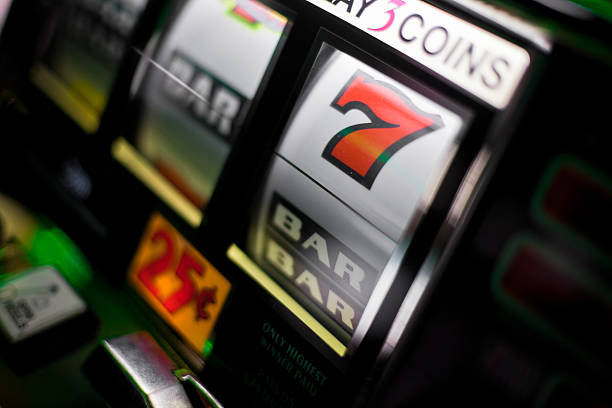
Choosing the right game is essential for maximizing your winning potential in high-stakes gambling. Different games have varying odds and house edges, which can significantly impact your long-term success. For instance, poker is a skill-based game where strategy and psychology play crucial roles, while games like slots are purely luck-based, offering little in the way of strategic advantage.
Once you select a game, developing a solid strategy tailored to that game is vital. In poker, understanding the odds and employing a strong betting strategy can give you a competitive edge. For blackjack, mastering basic strategies such as when to hit or stand can reduce the house edge. Even in games of chance like roulette, choosing bets with better odds, like red or black, can improve your chances of winning.
Additionally, observing your opponents and adapting your strategy based on their playing styles is an important aspect of high-stakes games. For example, if you’re playing against conservative players who tend to fold, a more aggressive approach may yield better results. Conversely, if you’re up against aggressive players, a more cautious strategy may help you capitalize on their reckless betting. Flexibility in your strategy is essential for success in high-stakes gambling.
The Role of Psychology in Gambling
The psychological aspect of gambling plays a significant role, especially in high-stakes environments. Maintaining emotional control is essential, as fear and excitement can cloud judgment and lead to poor decision-making. Experienced players often advocate for a disciplined approach, prioritizing rational thought over emotional impulses. By recognizing emotional triggers, you can develop strategies to cope, thus making clearer decisions that will enhance your chances of winning.
Moreover, understanding the psychology of your opponents can provide a strategic advantage. Observing their behaviors, such as betting patterns and reactions to wins and losses, can give you insights into their mindset. For instance, players who show signs of frustration may be more likely to make impulsive bets, which can be exploited to your advantage. Reading opponents and adjusting your strategy accordingly can turn the tide in your favor.
Mindfulness techniques can also benefit high-stakes players. Techniques such as deep breathing and visualization can help maintain focus and alleviate stress during intense games. By incorporating mindfulness practices into your routine, you can sharpen your concentration and enhance your overall performance, contributing to better decision-making under pressure.
Exploring Responsible Gambling Practices
While high-stakes gambling can be thrilling, it’s crucial to approach it with a commitment to responsible practices. Setting limits on time and money spent can prevent gambling from becoming a harmful habit. Players should view gambling as a form of entertainment rather than a guaranteed way to make money. By fostering a mindset centered around enjoyment, you can maintain a healthier relationship with gambling.
Additionally, it’s essential to recognize the signs of problem gambling. If you find yourself gambling to escape stress, feeling anxious about your gambling habits, or chasing losses, it’s time to reevaluate your relationship with the game. Seeking help from support groups or professionals can provide necessary resources and strategies for managing your gambling behavior effectively.
Responsible gambling also includes educating yourself about the games you play and their associated odds. Understanding that outcomes are often random and that no strategy can guarantee a win is key to maintaining a balanced perspective. This knowledge can help you make informed choices while enjoying the exhilarating experience that high-stakes gambling offers.
Discover More about Responsible Gambling Online
For those interested in exploring high-stakes gambling while prioritizing responsible practices, there are numerous online resources available. Websites dedicated to gambling education provide valuable information about strategies, bankroll management, and responsible gambling techniques. These platforms often feature expert advice, tutorials, and forums where players can share their experiences and learn from one another.
Participating in online communities can further enhance your understanding of high-stakes gambling. Engaging with fellow enthusiasts allows you to gain insights into different strategies and approaches. Many successful players share their tips and tricks, offering a wealth of knowledge that can elevate your gameplay. By learning from those with experience, you can refine your strategies and increase your chances of success.
In conclusion, high-stakes gambling presents exciting opportunities but requires a strategic and responsible approach. By focusing on effective bankroll management, game selection, psychological strategies, and responsible practices, you can maximize your chances of winning while ensuring a fulfilling gambling experience. The journey into high-stakes gambling can be thrilling, and with the right tools and knowledge, you can navigate it successfully.