

The rise and transformation of casinos through history
The rise and transformation of casinos through history
The Origins of Gambling
The history of gambling dates back to ancient civilizations, where games of chance were often intertwined with cultural practices and rituals. The earliest known evidence of gambling can be traced to around 3000 BC in Mesopotamia, where dice were used for various games. These early forms of gambling laid the groundwork for the development of more structured gaming environments, as various cultures began to embrace the allure of chance and risk. While exploring options, many players find Non GamStop Casinos appealing, particularly as these venues offer various betting experiences. The Romans and Greeks, for example, incorporated gambling into their societal activities, holding betting events tied to chariot races and theatrical performances.
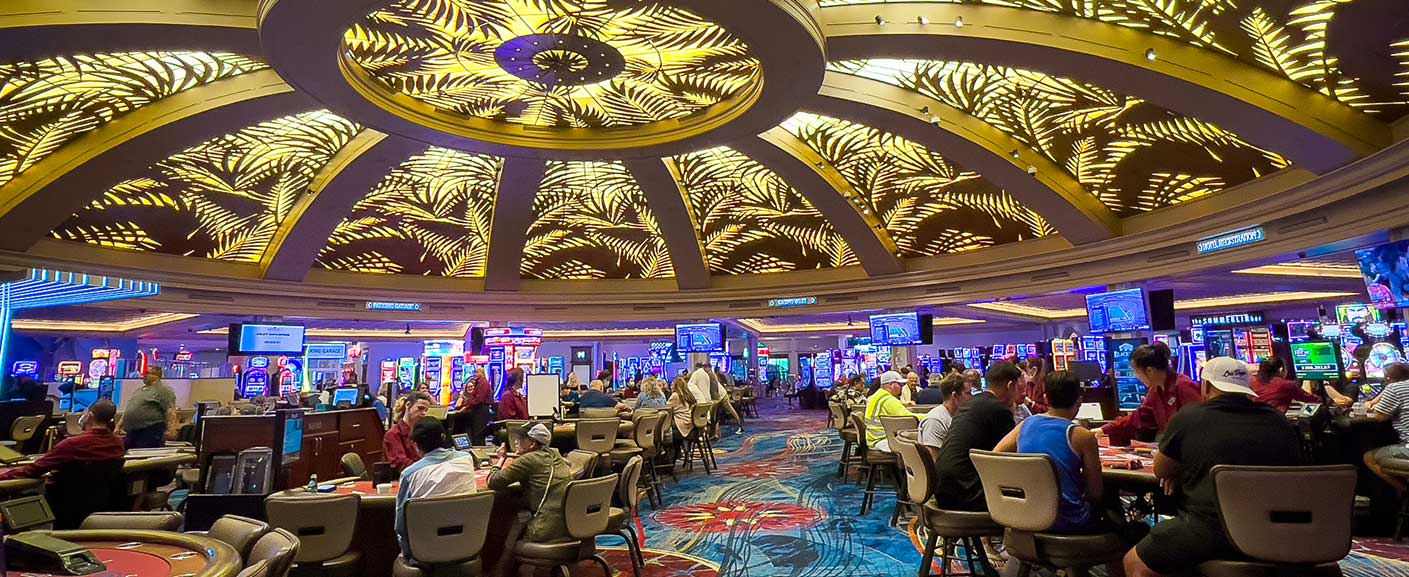
As civilizations evolved, so did the complexity of gambling. By the Middle Ages, gambling had become widespread in Europe, with card games emerging as a popular pastime among the nobility. This period saw the establishment of the first official gambling houses, setting the stage for the future of casinos. The introduction of playing cards in Europe in the 14th century marked a pivotal moment; these cards quickly spread across the continent, leading to a variety of games that would become staples in the casino environment.
The Renaissance era witnessed an explosion in gaming culture, as the wealthy elite began to patronize public gaming houses. These venues provided a social setting for high-stakes gambling, facilitating the rise of organized gambling. It was during this time that the concept of the modern casino began to take shape, with dedicated spaces for gambling activities that attracted players from all walks of life, establishing a connection between gambling and societal status.
The Emergence of Formal Casinos
The first official casino is believed to have been the Ridotto, established in Venice in 1638. This establishment was designed to regulate gambling and provide a controlled environment for the elite. The Ridotto allowed players to wager in a more organized manner, showcasing games such as baccarat and faro. This model was revolutionary, as it transformed gambling from informal and often illegal betting into a legitimate social activity, paving the way for the proliferation of casinos across Europe.
During the 18th and 19th centuries, casinos began to multiply across Europe, particularly in France. The famed Casino de Monte-Carlo opened in 1863, epitomizing luxury and attracting wealthy patrons from around the globe. French gaming innovations, including the introduction of roulette, created a buzz that spurred the global casino craze. As casinos flourished, they began to adopt more sophisticated designs and luxurious amenities, evolving into elaborate entertainment complexes where socializing and gambling went hand in hand.
With the growth of the casino industry, so too did the development of gambling regulations. Countries began to establish legal frameworks around gambling, providing a measure of protection for players while also generating revenue for governments. These regulations varied widely, affecting how casinos operated and ultimately shaping the landscape of gambling into the 20th century.
The Las Vegas Boom
The mid-20th century marked a significant turning point in the casino industry, particularly with the rise of Las Vegas as the gambling capital of the world. The legalization of gambling in Nevada in 1931 set the stage for a rapid transformation of the region. Las Vegas began to attract not only gamblers but also entertainers, turning it into a vibrant entertainment hub. The opening of iconic resorts and casinos, such as the Flamingo in 1946 and the Sands in 1952, symbolized this shift and established a new standard for luxury and gaming.
The post-World War II era saw an influx of investment in Las Vegas, with lavish casinos featuring opulent designs and star-studded entertainment becoming the norm. This period also saw the introduction of the “theme casino,” with establishments like Caesars Palace immersing visitors in an extravagant experience that transcended traditional gambling. Las Vegas became synonymous with excitement and excess, attracting millions of tourists each year and transforming the global perception of casinos.
As the popularity of Las Vegas surged, so did its influence on casino development around the world. Cities began to emulate Las Vegas, leading to the establishment of integrated resorts that combined gaming with shopping, dining, and entertainment. The concept of the mega-resort became prevalent, marking a shift in how casinos operated and offered experiences, thus broadening their appeal to a wider audience.
The Digital Transformation
The advent of the internet in the late 20th century brought about a revolutionary change in the casino industry, leading to the rise of online gambling. In the mid-1990s, the first online casinos emerged, allowing players to enjoy their favorite games from the comfort of their homes. This shift democratized access to gambling, as players no longer needed to travel to physical locations to place bets. The convenience and accessibility of online platforms opened the floodgates for a new generation of gamblers.
Online casinos have since evolved dramatically, incorporating advanced technology to enhance the gaming experience. The introduction of live dealer games brought the excitement of a brick-and-mortar casino into the digital realm, allowing players to interact with real dealers through video streams. Furthermore, the proliferation of mobile technology has enabled players to gamble anytime and anywhere, significantly expanding the casino market.
The online gambling industry has also become a focal point for innovation, with the development of cryptocurrencies and blockchain technology offering new payment methods and enhancing security. These advancements have reshaped the industry’s landscape, compelling traditional casinos to adapt or risk obsolescence. As a result, many brick-and-mortar establishments are now exploring ways to integrate online gaming into their operations, recognizing the importance of a hybrid model in today’s rapidly changing environment.
NonStop Casinos: A New Era of Gaming
As the casino landscape continues to evolve, platforms like NonStop Casinos are paving the way for a fresh approach to online gambling. Catering specifically to players seeking alternatives to GamStop restrictions, NonStop Casinos offers a curated selection of international gaming sites that provide a wide array of games. This focus on accessibility allows players to enjoy diverse gaming experiences without the limitations often imposed by traditional regulations.
NonStop Casinos not only emphasizes user-friendly experiences but also prioritizes responsible gambling. Players can find detailed reviews and insights about various platforms, ensuring they make informed decisions while enjoying their gaming adventures. The website acts as a valuable resource, helping players navigate the ever-expanding world of online casinos with confidence.
With ongoing advancements in technology and shifting regulations, the future of casinos looks promising. Websites like NonStop Casinos illustrate how the industry can adapt to meet the changing demands of players. By embracing innovation and providing comprehensive resources, they enhance the overall gaming experience while maintaining a commitment to safety and responsibility.