
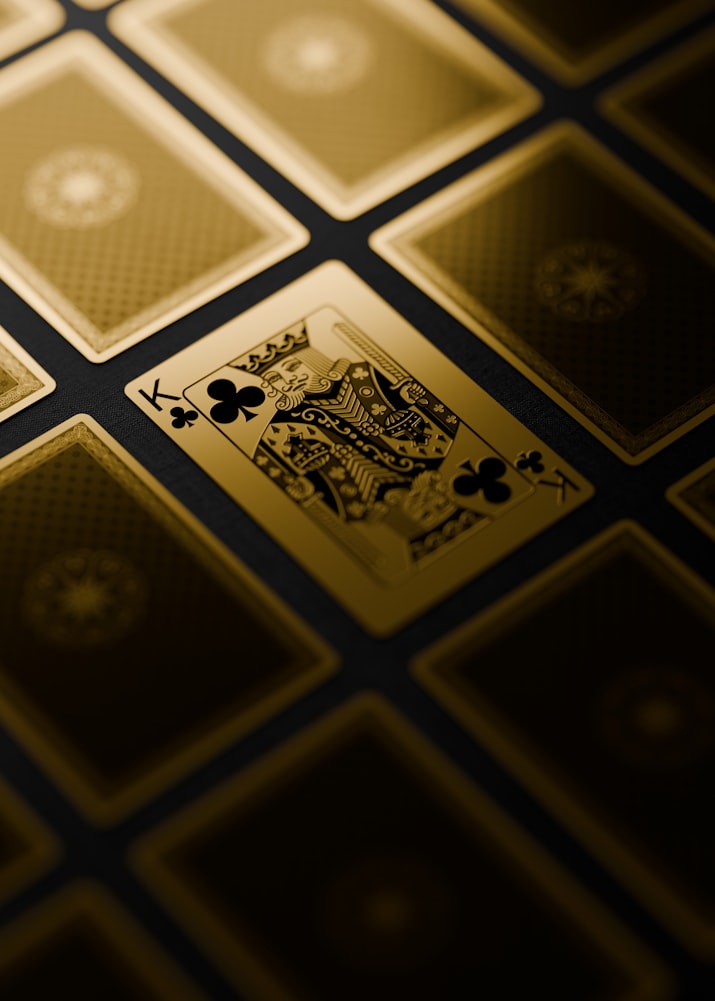

From luck to loss One gambler's journey through the highs and lows
From luck to loss One gambler's journey through the highs and lows
The Allure of Gambling
Gambling has long fascinated people, drawing them in with the promise of excitement and potential riches. Many see it as a thrilling escape from everyday life, where the next spin of the wheel or flip of a card could lead to life-altering wins. In this context, visiting the best vape store online canada can provide a unique backdrop to the experience of trying to enhance your enjoyment, as the allure often stems from the belief that luck plays a significant role, and the thrill of not knowing the outcome keeps players coming back for more.
However, this perception can cloud judgment. Many gamblers enter the world of betting with high hopes, believing they have a system or strategy that will outsmart the odds. The initial successes often reinforce these beliefs, creating a cycle of chasing wins, which can lead to a rollercoaster of emotional highs and lows.
The Highs of Winning
The highs of gambling can be intoxicating. Winning a substantial amount can evoke feelings of euphoria and validation. The rush of adrenaline when a bet pays off can lead gamblers to believe they have the magic touch, prompting them to increase their stakes. These moments of triumph can transform a casual player into a more frequent gambler, heightening the risk of future losses.
Yet, it’s essential to recognize that these highs are often temporary. Just as luck can favor a player, it can just as swiftly turn against them. The thrill of a big win can overshadow the reality that gambling is a game of chance, where long-term success is not guaranteed.
The Lows of Loss
As the winning streaks fade, many gamblers find themselves grappling with the sobering reality of losses. The emotional toll can be significant, leading to feelings of despair and regret. When losses accumulate, they can trigger a desperate urge to chase those losses, often resulting in even more significant financial harm.
This cycle of chasing losses can lead to destructive behaviors, including borrowing money or neglecting personal responsibilities. Many gamblers find themselves trapped in a vicious cycle, struggling to break free from the compulsion to play, even when they are aware of the potential consequences.
Myths and Misconceptions
The world of gambling is rife with myths that can mislead players. One common misconception is that certain games are “due” for a win after a series of losses. This belief can lead players to make irrational decisions, thinking they are entitled to a win after a streak of bad luck. Understanding that each game operates independently can help dispel these myths.
Another misconception is that skill can significantly influence the outcome in games of chance. While certain games do involve skill, many others are purely luck-based. It’s crucial for players to approach gambling with a clear understanding of the odds and to recognize that it should be seen as entertainment rather than a reliable way to make money.
Responsible Gambling and Seeking Help
For those who find themselves on a downward spiral, seeking help is imperative. There are numerous resources available for individuals struggling with gambling addiction. Understanding that it’s okay to ask for support can be the first step toward recovery.
Responsible gambling practices are vital in ensuring that the fun of gaming does not turn into a detrimental habit. Setting limits, understanding the risks, and knowing when to walk away can foster a healthier approach to gambling, allowing players to enjoy the experience without falling into despair.
Explore Your Options
In the vast landscape of gambling, it’s crucial to make informed decisions. Knowing your limits and understanding the nature of chance games can help you navigate this thrilling yet unpredictable world. As you embark on your own journey, remember that the key is to approach gambling as a form of entertainment rather than a means to an end.
By staying educated and aware, you can enjoy the highs while remaining mindful of the potential lows. If you’re looking to enhance your experience, consider exploring various gaming options that suit your preferences and approach them with a balanced mindset.