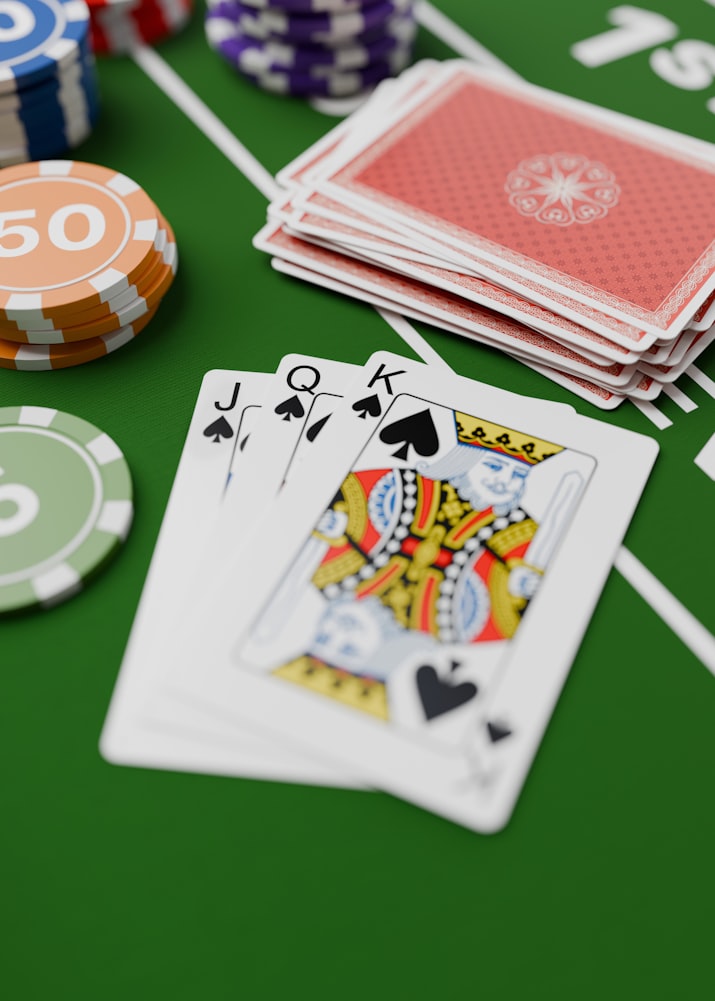


The psychology of risk Understanding the gambler's mind in a casino environment
The psychology of risk Understanding the gambler's mind in a casino environment
The Nature of Risk in Gambling
Risk is an inherent aspect of gambling, captivating players with the allure of potential rewards. The psychology behind why individuals engage in risky behavior is complex, blending elements of thrill, anticipation, and sometimes, compulsion. Gamblers often find themselves drawn to the uncertainty of the outcome, which can create an adrenaline rush akin to other forms of risk-taking. For those looking for engaging platforms, there are options available, such as a fast withdrawal online casino australia.
This emotional high can cloud judgment, leading players to believe that they possess some level of control over their fate. Cognitive biases, such as the illusion of control, contribute significantly to this mindset. Gamblers may convince themselves that they can influence outcomes through their choices, further entrenching them in the casino environment.
The Role of Environment in Gambling Behavior
The casino environment is meticulously designed to enhance the gambling experience. From the sounds of spinning slots to the bright, enticing lights, every element contributes to a sensory overload that can influence decision-making. This carefully crafted atmosphere creates a feeling of excitement and urgency, urging players to take risks they might otherwise avoid.
Additionally, the presence of other players can amplify this behavior. Social dynamics play a significant role, where witnessing others winning can spur individuals to increase their wagers, seeking to replicate that success. This phenomenon highlights the social aspect of gambling, where the energy of the crowd can lead to higher stakes and more aggressive gambling patterns.
Psychological Triggers in Gambling
Understanding the psychological triggers that lead to gambling is crucial in understanding the gambler’s mind. Several factors, such as the reward system in the brain, create an addictive cycle. When players experience a win, their brains release dopamine, the “feel-good” neurotransmitter, reinforcing the behavior and encouraging them to gamble again.
Moreover, the occasional win amidst a series of losses can create a powerful compulsion to continue playing. This reinforcement schedule keeps players engaged, even when they are financially losing. It is this cycle of intermittent rewards that makes gambling so enticing, leading many into a complex web of risk and reward.
The Impact of Cognitive Biases
Cognitive biases significantly affect how gamblers perceive risk and make decisions. The gambler’s fallacy, for instance, is a common belief that past events influence future outcomes in random games. A player may think that a particular slot machine is “due” for a win after a series of losses, leading them to continue playing despite mounting losses.
These biases can also manifest in overconfidence. Gamblers often underestimate the house edge, believing they have strategies that can overcome the inherent risks of gambling. This skewed perception of risk can lead to reckless betting behavior, as individuals chase losses or pursue perceived winning streaks.
Exploring Responsible Gambling Practices
As the popularity of casinos and online gambling grows, understanding the psychology of risk becomes essential for promoting responsible gambling practices. Awareness of the cognitive biases and environmental triggers can help players make informed decisions. Tools like self-exclusion, setting limits, and seeking help can aid individuals in managing their gambling behavior effectively.
Moreover, educating players about the odds and risks associated with gambling can foster a healthier approach to gaming. Players who are equipped with knowledge can better navigate the temptations of the casino environment, ensuring that their gambling remains a form of entertainment rather than a pathway to financial distress.