
The cultural significance of casinos in modern society A deep dive into Fish Boom
The cultural significance of casinos in modern society A deep dive into Fish Boom
The Evolution of Casinos in Modern Culture
Casinos have transformed significantly since their inception, evolving from simple gambling houses to intricate entertainment hubs. This evolution is driven by social changes and advancements in technology, reflecting broader cultural shifts. Modern casinos have become a microcosm of societal values, representing not just a place for gambling, but also a venue for social interaction, entertainment, and economic activity. One exciting platform that exemplifies this shift is fish-boom-games.com, where players can experience engaging gaming options.

As casinos have integrated various forms of entertainment—like live shows, fine dining, and themed events—they have become vital contributors to local economies. They attract tourism and create jobs, playing a crucial role in the cultural fabric of many cities. In essence, they are no longer just about gaming but are community spaces that foster connections among diverse groups of people.
The Role of Technology in Casino Experiences
The integration of technology has revolutionized how people engage with casinos. From the rise of online gaming platforms to immersive arcade experiences like Fish Boom, technology has made gambling more accessible and engaging. Players can now participate from the comfort of their homes or through mobile devices, broadening the appeal of casinos beyond traditional brick-and-mortar establishments.
This shift has also brought about innovations in game design, enhancing player engagement. Games like Fish Boom combine strategic elements with entertaining gameplay, appealing to a younger demographic that seeks both excitement and interaction. The result is a modern gambling experience that blends tradition with cutting-edge technology, reflecting contemporary culture’s embrace of digital solutions.
Social and Economic Implications of Casinos
Casinos have profound social implications, often serving as focal points for community events and gatherings. They create spaces where people from various backgrounds can come together, fostering social bonds through shared experiences. This communal aspect of casinos contributes to a sense of belonging and identity within the local culture.
Economically, casinos generate significant revenue for cities through tourism and local spending. They contribute to public funds through taxation, which can be reinvested in community services. However, this economic impact is accompanied by challenges, including concerns about gambling addiction and its societal effects. This duality highlights the need for responsible gaming practices within the casino industry.
The Cultural Perception of Gambling and Entertainment
The cultural perception of gambling is complex and often polarized. In many cultures, casinos are viewed as thrilling entertainment venues, while in others, they are associated with moral dilemmas and social issues. This duality shapes how communities interact with casinos, influencing their acceptance and regulation.
The growing popularity of innovative games like Fish Boom illustrates a shift towards viewing gambling as a form of entertainment rather than merely a risky activity. This perspective emphasizes fun, strategy, and skill, making it more appealing to a broader audience. As cultural attitudes evolve, the role of casinos continues to expand, reflecting changing societal norms and values.
Exploring the Fish Boom Experience
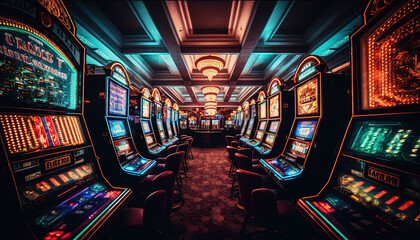
Fish Boom is a prime example of how modern casinos are adapting to contemporary tastes. This game offers an interactive fishing arcade experience that combines strategy with the thrill of instant wins. The design appeals to both seasoned players and newcomers, showcasing how casinos are evolving to meet diverse preferences.
The user-friendly interface and engaging gameplay make Fish Boom a standout choice for those seeking entertainment. By providing a maximum win potential of $20,000 and easy navigation, this game exemplifies the blend of excitement and accessibility in today’s casino offerings. As players engage with such immersive experiences, the cultural significance of casinos continues to grow, reflecting their place in modern society.